Article Summary
In modern weaving, one missed broken end can turn into a chain of waste, downtime, operator frustration, and customer complaints. Warp Stop Motion is not just a protective add-on for a loom. It is a practical control point that helps mills detect warp irregularities early, stop the machine at the right moment, reduce fabric faults, and keep production stable. This article explains the most common pain points behind warp-related stoppages, why detection quality changes real output, what buyers should evaluate before choosing a system, and how Changshu Changxin Textile Equipment Co., Ltd. fits into a more dependable production strategy.
Contents
Outline
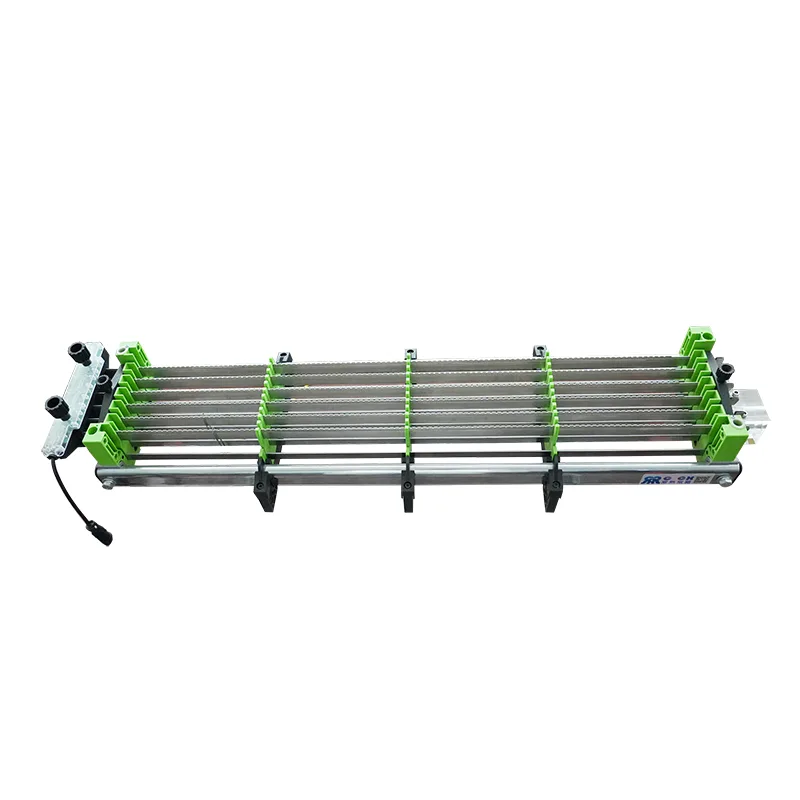
Every weaving plant says it wants better efficiency, fewer defects, and less unplanned downtime. But on the workshop floor, these goals are often lost to one deceptively simple issue: warp irregularities that are not identified fast enough. When a broken warp end is missed, the loom may continue running for longer than it should. That short delay can produce defective fabric, increase rework, waste yarn, and pull operators away from other machines.
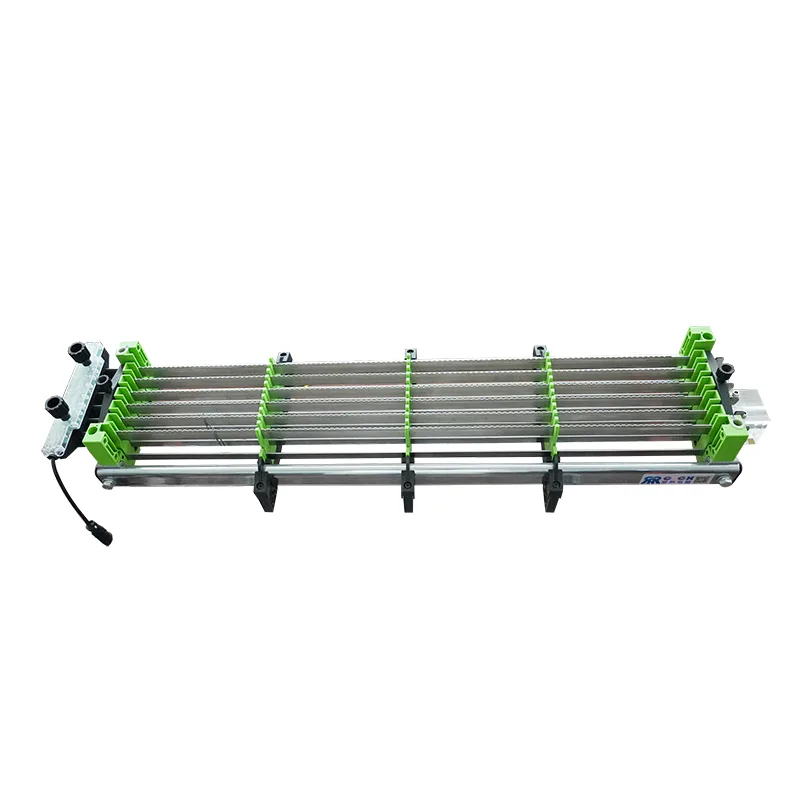
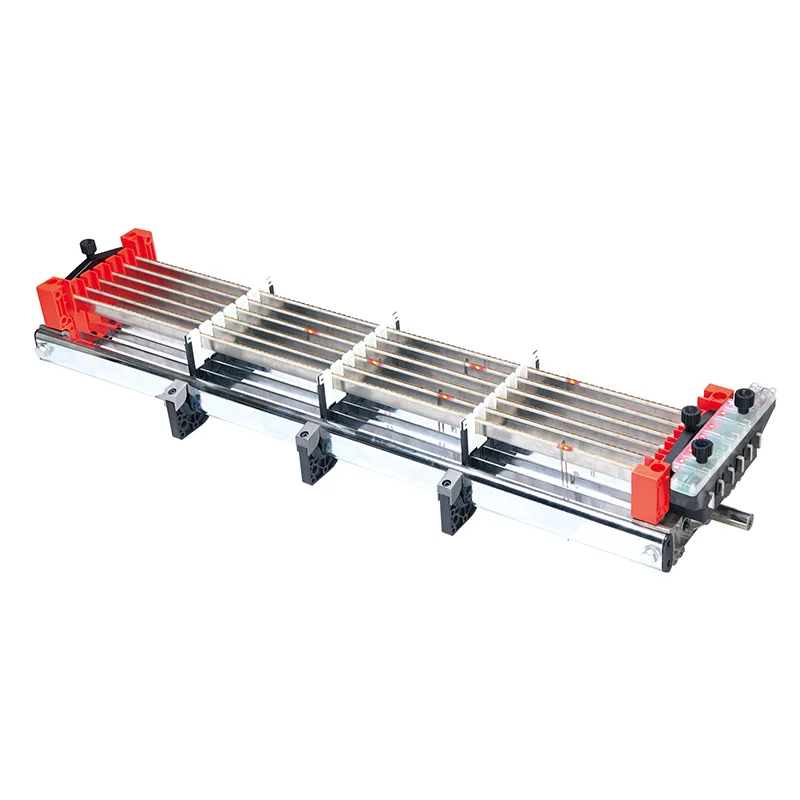
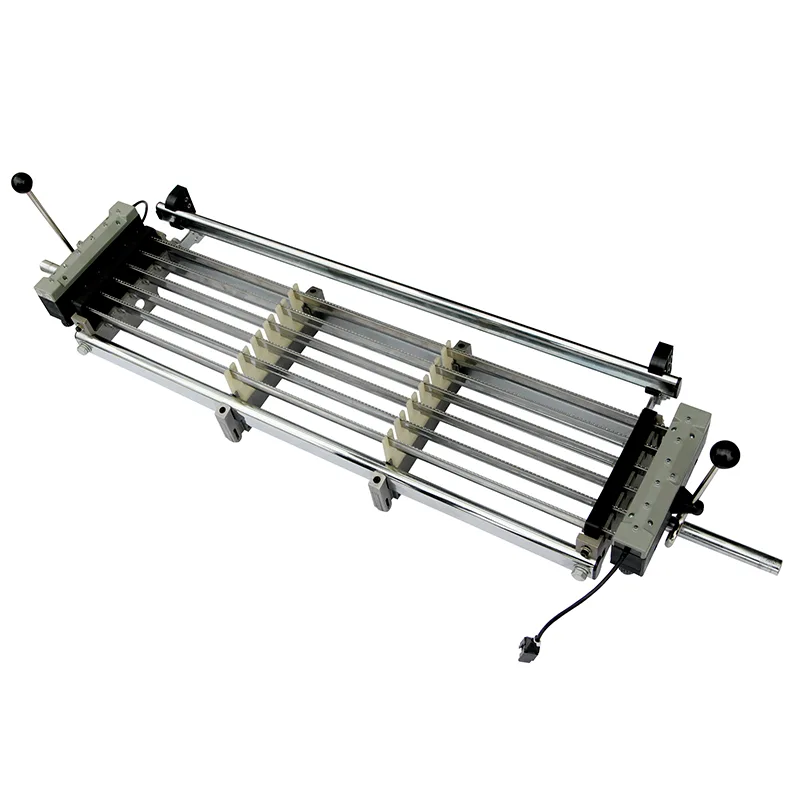
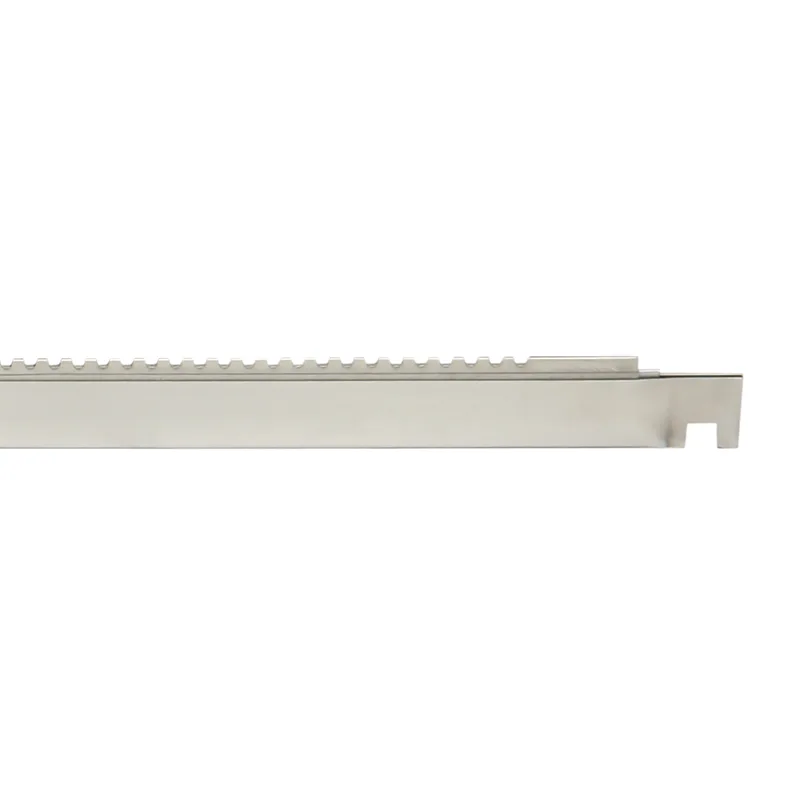
This is exactly where Warp Stop Motion becomes essential. Its job is not glamorous, but it is fundamental. It monitors the warp condition and triggers a stop when a break, slack condition, or abnormal movement is detected. In other words, it acts as a frontline protection system between a minor yarn issue and a much larger production problem.
For many factories, the pain is not simply that yarn breaks happen. Yarn breaks will always happen in some form, especially under demanding operating conditions. The real pain comes from inconsistent detection, delayed response, and poor visibility during troubleshooting. That is when the cost starts compounding:
A dependable Warp Stop Motion system helps reduce that instability. It supports more controlled weaving by making the loom respond when it should, rather than after a preventable loss has already spread through the fabric.
One of the most frustrating things in weaving is that the visible issue is often much smaller than the actual damage it causes. A single broken end may seem minor, yet the downstream effects can be expensive. Fabric quality is judged by consistency, appearance, and structural integrity. When warp tension or continuity is disrupted, the defect can appear as missing ends, streaks, weaving faults, or other quality problems that reduce product value.
This is why production managers often discover that their real loss is not only repair time. It is the combination of several hidden costs happening at once:
| Common Mill Pain Point | What Happens Without Fast Detection | Operational Impact |
|---|---|---|
| Broken warp end | Loom continues running with incomplete warp condition | Fabric defects and extra inspection pressure |
| Slack warp or abnormal tension | Problem develops before operator intervention | Lower fabric consistency and higher waste |
| Poor fault location | Operator spends longer finding the issue | More downtime and slower restart |
| Weak structural durability | Parts wear faster in dusty or humid workshops | Repeated maintenance and unstable production |
| Complex operation | New staff take longer to learn and make more mistakes | Higher training burden and inconsistent results |
In high-output textile environments, speed magnifies everything. A machine running fast can generate value quickly, but it can also generate waste quickly if fault control is weak. That is why mills increasingly care about whether their Warp Stop Motion system is responsive, durable, and easy for operators to understand.
A stable system does more than stop a loom. It protects fabric quality, shortens recovery time, and reduces the chaos that follows every avoidable stoppage. That matters even more in factories with high labor turnover, where equipment must remain manageable for both experienced technicians and newer operators.
A buyer comparing different solutions can get overwhelmed by product descriptions that sound similar. In practice, the better question is not “Which one claims to be advanced?” but “Which one will still perform consistently in my working conditions?”
When evaluating Warp Stop Motion, the most useful criteria are usually practical rather than decorative:
This is one reason buyers pay attention to manufacturers with long-term technical focus in this area. Changshu Changxin Textile Equipment Co., Ltd. has built its reputation around textile machinery components related to warp stop systems and associated solutions. For buyers, that matters because specialized experience usually translates into better understanding of workshop realities rather than purely catalog-level claims.
A good supplier should also recognize that different mills do not share the same production priorities. Some need display-based fault visibility. Others care more about structural stability, wear resistance, or simple operation. The best result comes when the equipment choice reflects the actual bottleneck in the factory, not just the most impressive wording in a brochure.
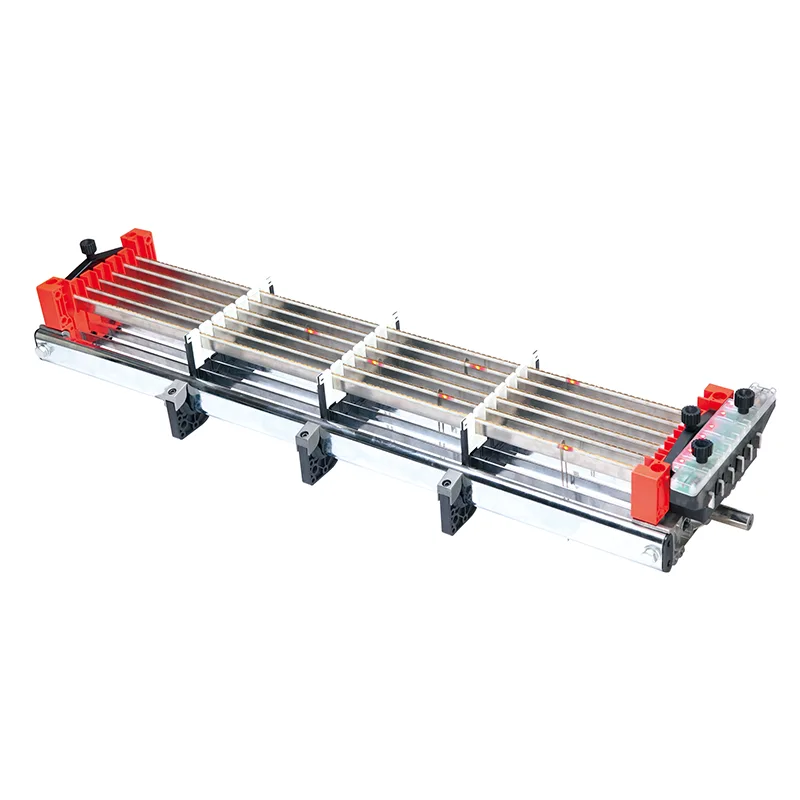
Factories do not buy equipment only to solve dramatic emergencies. They buy it because everyday consistency is what keeps output healthy. A well-matched Warp Stop Motion setup improves daily operations in ways that are easy to feel on the shop floor:
The difference becomes especially clear in facilities producing demanding fabrics or running multiple looms under tight delivery schedules. In that environment, even short disruptions can affect planning, staffing, and customer confidence. A dependable Warp Stop Motion system strengthens process discipline because it reduces variation at one of the most sensitive points in weaving.
Another overlooked benefit is confidence. When operators trust that the stopping mechanism will respond properly, they work with less hesitation. When managers trust that fault signals are meaningful, they can diagnose recurring issues more clearly. That kind of stability is hard to measure in one line item, but it influences the entire production rhythm.
Choosing a supplier is not only about price. The cheaper option can become the expensive option if it creates repeated wear, unstable detection, or support delays. A stronger buying process usually includes a few grounded questions:
For buyers looking at specialized warp stop solutions, Changshu Changxin Textile Equipment Co., Ltd. stands out because the company is closely associated with warp stop mechanism development and related textile machinery components. That specialization can be valuable for mills that do not want generic answers. They want equipment that supports real weaving performance, not vague promises.
A sensible purchasing decision should also consider total production value rather than initial purchase cost alone. If a stronger system reduces defect losses, cuts downtime, lowers training friction, and lasts longer in harsh conditions, its real contribution may be much larger than the invoice suggests at first glance.
So the better question is not simply whether a factory needs Warp Stop Motion. Most serious weaving operations already know the answer is yes. The more important question is whether they are using a solution that genuinely protects production quality and supports reliable output day after day.
1. What is the main function of Warp Stop Motion in weaving?
Its main function is to detect warp breaks or abnormal warp conditions and stop the loom in time. This helps reduce fabric defects, material waste, and unnecessary downtime.
2. Why is fast detection so important?
Because a delayed stop allows the loom to keep running with a fault. Even a short delay can create more defective fabric, extend troubleshooting time, and increase production loss.
3. Is Warp Stop Motion only important for high-speed looms?
No. It is valuable across many weaving applications. However, the faster and more demanding the production environment becomes, the more critical reliable detection and stopping performance are.
4. What should factories prioritize when selecting a system?
Factories should focus on reliability, durability, ease of use, maintenance convenience, and fit with their specific loom and fabric requirements.
5. Can a better Warp Stop Motion system help reduce labor pressure?
Yes. A well-designed system can make fault handling easier, reduce guesswork, and shorten operator response time, which is especially helpful when training new staff.
6. Why do buyers look for specialized manufacturers instead of generic suppliers?
Because specialized manufacturers are more likely to understand weaving-specific challenges and provide equipment designed for long-term workshop use rather than broad, one-size-fits-all solutions.
In weaving, prevention is always cheaper than correction. A dependable Warp Stop Motion system helps mills protect output, control defects earlier, reduce unnecessary stoppage losses, and create a smoother daily workflow for operators and managers alike. When the goal is more stable weaving performance rather than temporary fixes, working with an experienced manufacturer makes a real difference.
If your factory is reviewing warp stop solutions and wants equipment built around practical weaving demands, Changshu Changxin Textile Equipment Co., Ltd. is worth serious consideration. For product details, application guidance, or a tailored recommendation for your loom setup, contact us today and start building a more reliable production line with greater confidence.